
The Role of the Nervous System in Persistent Pain
Pain is something almost everyone experiences at some point. Sometimes it goes away quickly, like when you scrape your knee or bump your elbow. Other times, pain sticks around for weeks, months, or even years. This kind of pain is called persistent or chronic pain. But why does pain sometimes last so long? The answer lies deep inside your body, in a complex network called the nervous system.
This blog post will explain how the nervous system plays a key role in ongoing pain. Whether you have pain yourself or want to learn more about how your body works, this guide will give you clear and useful information.
What Is the Nervous System?
The nervous system is like the body's communication network. It sends messages between your brain, spinal cord, and the rest of your body. These messages tell you when something is hot, cold, sharp, or dull. The nervous system has two main parts:
Central nervous system (CNS): This includes the brain and spinal cord.
Peripheral nervous system (PNS): This includes all the nerves outside the brain and spinal cord.
When you touch something painful, nerves in your skin send signals through the peripheral nervous system to your spinal cord and then to your brain. Your brain then interprets these signals as pain.
How Does Pain Normally Work?
Pain is a warning system. It tells you that something might be wrong and needs attention. For example, if you touch a hot stove, pain makes you pull your hand away quickly. This is called acute pain and usually stops once the injury heals.
Here’s a simple way to think about it:
Step 1: Injury or damage happens.
Step 2: Nerves send pain signals to the brain.
Step 3: Brain feels pain and tells you to protect the injured area.
Step 4: Injury heals, and pain stops.
This system works well for short-term injuries. But sometimes, pain continues even after the injury has healed. This is when the nervous system behaves differently.
What Happens in Persistent Pain?
In persistent pain, the nervous system becomes more sensitive. It can start sending pain signals even when there is no new injury. This is called sensitisation. It means the nerves and brain overreact to signals or even create pain signals on their own.
There are two main types of sensitisation:
Peripheral sensitisation: Nerves near the injury become more sensitive.
Central sensitisation: Changes happen in the spinal cord and brain, making them more responsive to pain signals.
Because of this, people with persistent pain might feel pain from things that are not usually painful, like light touch or gentle movement.
Why Does the Nervous System Become Sensitive?
Several factors can cause the nervous system to become sensitive:
Injury or inflammation: Sometimes the nerves stay active even after healing.
Nerve damage: Injured nerves can send false pain signals.
Stress and emotions: Anxiety and depression can increase pain sensitivity.
Lack of movement: Avoiding activity can make nerves more sensitive.
Understanding these factors helps explain why pain can last long after the original cause is gone.
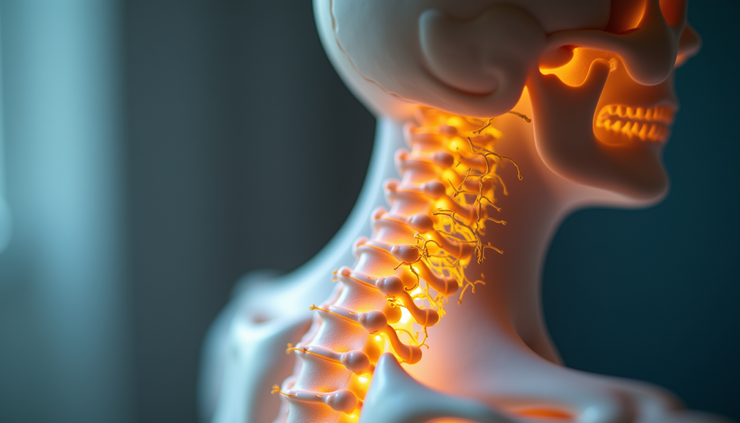
How Does Persistent Pain Affect Daily Life?
Persistent pain can change how you live. It can make simple tasks like walking, sitting, or sleeping difficult. It may also affect your mood and energy levels. Because the nervous system is involved in many body functions, ongoing pain can feel overwhelming.
People with persistent pain often describe it as:
Burning, stabbing, or shooting sensations
Pain that spreads beyond the original injury site
Increased sensitivity to touch or temperature
Fatigue and difficulty concentrating
These symptoms show how the nervous system’s changes affect the whole body, not just the injured area.
What Can Help Manage Persistent Pain?
Since persistent pain involves the nervous system, treatment focuses on calming it down and improving how it works. Here are some common approaches:
1. Physical Therapy
A physiotherapist can help by teaching exercises that improve movement and reduce nerve sensitivity. Gradual activity helps retrain the nervous system to respond less to pain signals.
2. Pain Education
Learning about how pain works can reduce fear and anxiety. Understanding that pain does not always mean damage helps people feel more in control.
3. Relaxation Techniques
Stress increases pain sensitivity. Techniques like deep breathing, meditation, or gentle yoga can calm the nervous system.
4. Medication
Sometimes doctors prescribe medicines that affect nerve signals. These can help reduce pain but should be used carefully.
5. Lifestyle Changes
Good sleep, healthy eating, and regular exercise support the nervous system and overall health.
How Can You Support Your Nervous System?
You can take steps to support your nervous system and reduce persistent pain:
Stay active: Gentle movement helps nerves stay healthy.
Avoid stress: Find ways to relax and manage worries.
Get enough sleep: Rest is important for nerve repair.
Eat well: A balanced diet supports nerve function.
Ask for help: Physiotherapists and healthcare providers can guide you.
Pain that lasts a long time is not just in your head or a sign of weakness. It is a real condition involving changes in your nervous system. By understanding how your body works, you can take steps to manage pain and improve your quality of life.
If you or someone you know struggles with ongoing pain, consider talking to a healthcare professional. They can help create a plan that suits your needs and supports your nervous system’s health.


Comments